 Regional buyer guide
Buying an E-Bike for a Regional Australian Address: Delivery Checklist

Buying an e-bike from a regional address starts with two practical checks: whether the exact bike you want is available, and whether that order can reach your property. Confirm both before choosing an arrival date in your calendar. A bike displayed online may have different availability by size, colour and stock location, while a postcode can include addresses with very different delivery access.
A little preparation makes the enquiry much more useful. Write down your preferred model, your town and postcode, the route a delivery vehicle would need to take and any date you are working towards. This guide explains what to ask before ordering, how to prepare for a large boxed delivery and what to do when it arrives.
Start with the exact bike and variant
Save the product link and record the selected size, colour and any battery or accessory choices. Ask ZoomVolt to confirm the full model version that would be supplied. Similar names and product photographs can span several versions, so a general enquiry about “the folding bike” may leave too much open.
Separate your essential requirements from your preferences. Correct fit and suitability for your intended use belong on the essential list. A colour preference may be more flexible. If your first choice is unavailable, ask for the alternative’s actual specification before agreeing to a substitution. A different wheel size or battery arrangement can affect storage, handling and transport.
Use the ZoomVolt catalogue to build a shortlist, then confirm availability for the complete selection. The presence of a listing, price or product photograph should not be treated as a live stock count. The same applies to an older social post or a saved screenshot.
Check the postcode and the final approach
ZoomVolt covers shipping costs within its existing Australian service area, with no minimum order amount or coupon requirement. Remote areas and addresses with limited access need confirmation before ordering. Free shipping does not mean that every address can be serviced. Read the current shipping policy alongside the answer for your particular order.
Begin with your town and postcode, then describe anything that could affect a large delivery. A long unsealed driveway, a locked gate, a narrow bridge, stairs or a turning area unsuitable for a large vehicle are all worth mentioning. Give useful access information without assuming the carrier can use the same route as your car.
Ask where the delivery can be handed over and whether someone needs to attend. If you are considering a workplace address, first check that the business can receive and temporarily store a large consignment. Do not nominate another person’s address until you have their agreement and the delivery arrangement has been confirmed.
Depot collection or another handover point may be worth asking about, but treat it as an option to be agreed for the order. Confirm the depot location, collection requirements, opening hours and package size before relying on that solution. You will still need a safe way to move the boxed bike home.
Separate dispatch from the journey to your door
Ask when the bike is expected to leave its dispatch location and what transit estimate applies after that. These are separate stages. An estimate that begins after dispatch does not tell you how long an item awaiting stock will take to become ready.
Confirm which stock location will supply the order. Eastern States availability and Western Australian availability need separate checks; a general Australian listing does not establish a nearby unit. Ask for the current arrangement rather than using an old warehouse reference to calculate your delivery time.
If the bike is for a holiday, a birthday or a new commute, give the important date before paying. Explain whether a later arrival would make the order unsuitable. Ask what can actually be confirmed, and keep any agreed timing in writing. Allow time after delivery for inspection, assembly and familiarisation rather than planning a demanding ride immediately.
Tracking can help once the consignment is moving, but it is not a guarantee that a particular delivery window will be met. Check how updates will be provided and whom to contact if the tracking stalls. Avoid booking paid transport or making non-refundable plans around an unconfirmed arrival estimate.
Understand the complete order before checkout
Review the selected bike and accessories together. Ask what is included in the box and whether an accessory will arrive separately. A rack shown in a photograph, an optional basket or a spare battery should each be checked against the written inclusions for your order.
Advertised ZoomVolt product totals include GST. Read the final order summary and confirm any arrangement that differs from the standard delivery service. Keep the product description, confirmed variant, agreed inclusions and order confirmation together so you can check what arrives against what you purchased.
Ask for packed dimensions and packed weight, rather than relying on the bike’s assembled weight. Packaging and loose components change what you will need to handle. If you will collect the box yourself, measure the usable space in your vehicle and consider the loading opening as well as the floor area.
Prepare a sensible place to receive the bike
Choose a dry, clear area with enough room to place the box safely and organise its contents. Think about the path between the handover point and that space. A narrow doorway or a flight of steps can make the final few metres more difficult than the carrier journey.
Arrange help where the size or weight is beyond what you can safely manage. Do not expect the driver to carry the box upstairs or provide assembly unless that service has been expressly arranged. Ask about any handling needs before the delivery day, when there is still time to agree a practical plan.
Have the order details available and make sure the person receiving the bike knows what is expected. Keep pets and children away from the unpacking area. Put small parts, keys and paperwork somewhere secure as they are removed, rather than leaving them among packaging that could be discarded.
Inspect and document the arrival
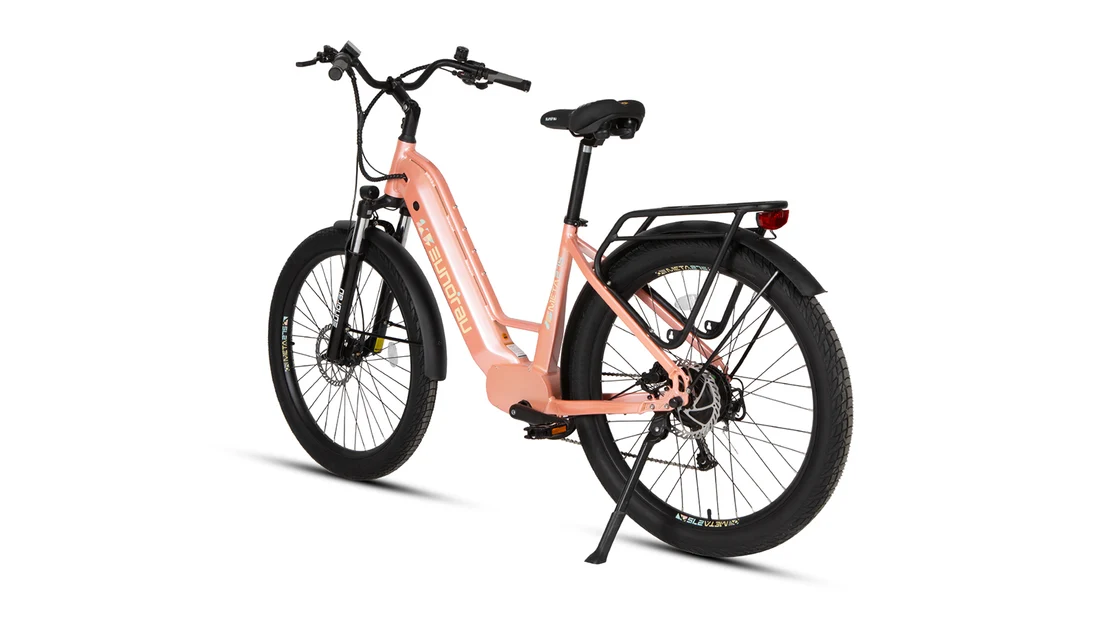
Before unpacking, photograph the outside of the box, including any visible damage. Take further photographs of the contents where useful. EUNORAU’s new-owner guide recommends documenting the box and contents, recording the serial number and keeping the packaging for possible future transport.
Open the package carefully using the supplied instructions. Avoid cutting deeply into it or forcing a component that appears caught. Lay out the contents and compare them with the packing list or stated inclusions. Locate the charger, keys, manuals and any separate accessories before disposing of packing material.
If something looks damaged, incomplete or different from the order, contact ZoomVolt with clear photographs and a short description. State what you can observe without trying to diagnose an electrical fault yourself. Keep the order number handy and ask what should happen next.
A visibly damaged bike should not be taken for a test ride to see whether it is probably fine. Ask for advice first, especially where brakes, steering, wheels, wiring or the battery may be affected. Safe documentation is useful; deliberately recreating a dangerous problem is unnecessary.
Make assembly part of the buying decision
Ask how much assembly the supplied model requires and request the correct instructions before delivery. “Mostly assembled” can still leave work that matters to safe operation. You need to understand the tasks, required tools and checks, and whether you are comfortable completing them correctly.
If you intend to use a local workshop, contact it before the bike arrives. Give the full model name and explain that you are seeking assembly or a pre-ride inspection of an online purchase. Ask what the workshop can do, what it charges and when it has availability. A nearby bicycle shop should not automatically be treated as an authorised electrical service agent.
Book enough time for the work and for questions that arise during inspection. Follow the exact manufacturer’s instructions for the supplied bike, including any component-specific requirements. Avoid adapting a video for a similar-looking model if the fittings or procedures differ.
Once setup is complete, learn the controls on a quiet, suitable route. Check how assistance responds, how to change gears and how the brakes feel. Your first outing is a chance to become familiar with the bike, rather than a test of its longest possible range.
Plan support from your own postcode
Before ordering, ask who will help with setup questions, mechanical servicing and an electrical fault. These may involve different people and processes. Find out what information ZoomVolt needs initially and how an inspection would be arranged if remote guidance cannot resolve the issue.
Request the warranty terms applicable to the exact purchase, including the battery and other major components. Ask how diagnosis, labour and transport are handled for the circumstances of a claim. Do not assume that a single warranty headline explains every component or that a service procedure determines all of your rights.
The ACCC explains that warranties operate alongside consumer guarantees. Keep written terms and order records, and contact the seller if a problem develops. Discuss the proposed work and any charges before booking a repair or sending a component away.
For regional ownership, everyday parts also deserve attention. Ask about tyre and tube sizes, brake-pad identification and the correct replacement charger. Having accurate part details gives a local workshop a useful starting point without assuming every item is immediately available.
Keep a simple ownership record
After delivery, store the invoice, model identifier, serial number and supplied instructions together. Add the delivery date and any correspondence about the condition of the package. Keep photographs somewhere you can find them later, rather than leaving them mixed with unrelated phone images.
Record the workshop’s setup check and subsequent servicing if you use one. These notes can make a future support conversation clearer and help you identify the right replacement parts. They also give you a practical checklist when preparing the bike for a trip after a period in storage.
A short enquiry that gets useful answers
Your first message can be straightforward: “I am considering this model in this size and colour, for delivery to my town and postcode. The address has these access restrictions. I would like it for this date, and I plan to use it for these journeys. Please confirm the supplied version, availability, dispatch location, delivery arrangements and assembly requirements.”
Add questions about support or storage that could change your decision. You do not need a long technical description, but clear details help avoid an answer that only applies to a different variant or a standard metropolitan address.
Before you order, make sure the essentials are settled: the correct bike, a serviceable address, an understood delivery estimate, a safe receiving plan and a realistic setup arrangement. Then contact ZoomVolt with any remaining questions. A regional purchase is easier to manage when delivery and ownership have been considered together.