 Ownership and support
E-Bike Warranty and Repairs: A Checklist for Regional Buyers
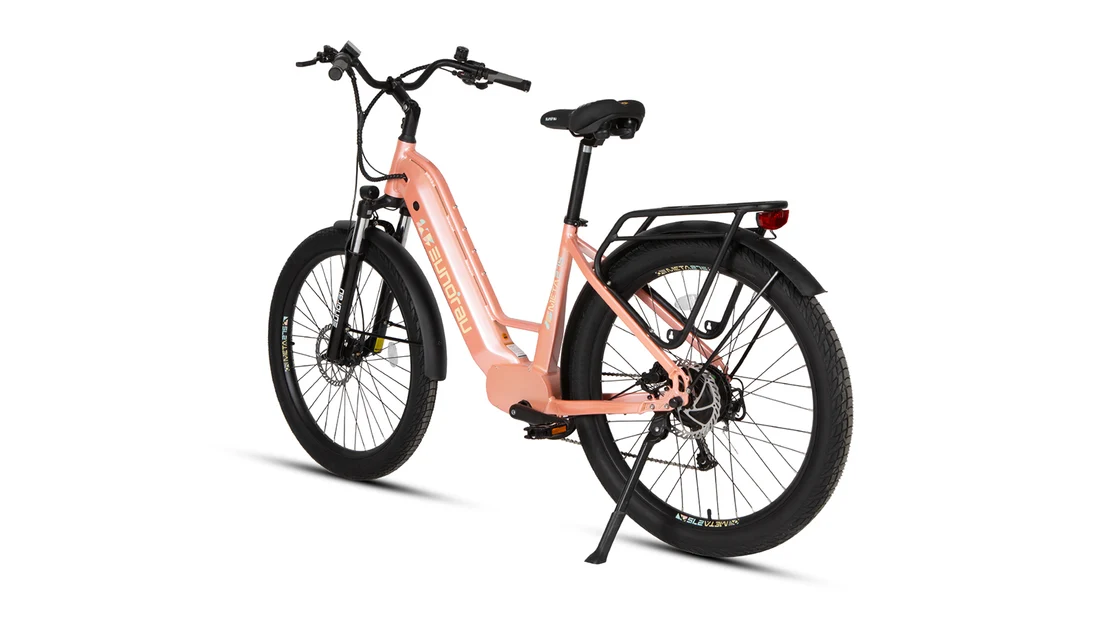
An e-bike support plan should explain how to get help from where you live. Before ordering, find out who can answer setup questions, who can inspect the bike and how a fault would be assessed if the nearest specialist is several towns away. A warranty headline alone does not answer those practical questions.
The aim is to understand the process before you need it. Keep written answers with your order details, identify a suitable servicing option and know what information to provide if something goes wrong. This checklist covers those preparations and the first steps in a support enquiry, without assuming that every model has the same warranty terms.
Understand the different kinds of support
Routine servicing, a voluntary warranty and a remedy under Australian Consumer Law are separate considerations. Servicing deals with ongoing inspection, adjustment and wear. A warranty sets out particular promises and a claim process. Consumer guarantees provide rights that apply automatically to qualifying purchases.
The ACCC’s warranty guidance explains that a warranty is additional to consumer guarantees and cannot replace them. The expiry of a stated warranty period does not, by itself, establish that a buyer has no rights. What happens in a particular case depends on the circumstances and the applicable guarantees.
Ask for the written warranty that applies to the exact model and purchase. Read the battery, motor, frame and other component provisions individually. Check when any stated period begins, what the claim process involves and whether the terms describe maintenance or registration requirements. Keep a copy rather than relying on a short advertisement.
This guide does not promise a particular component warranty period or determine the outcome of a future claim. When a headline and detailed terms appear inconsistent, ask ZoomVolt to clarify them in writing before ordering. Clear information is more useful than guessing which statement will apply later.
Keep the seller as a clear first contact
Know how to reach the business that sold you the bike. For a ZoomVolt order, use the ZoomVolt contact page and include your order number. If you have previous correspondence about the purchase, keeping the enquiry in the same thread can make the history easier to follow.
The ACCC’s repair, replacement and refund guidance explains the seller’s responsibility for resolving problems under consumer guarantees. A customer cannot simply be told to take the problem to the manufacturer instead. The appropriate remedy depends on the nature of the problem.
A manufacturer or specialist may still assist with technical assessment. Ask how that work will be coordinated and who will update you. If another party is involved, record their name, the role they are taking and whether you should communicate directly or through the seller.
Before purchase, a useful question is: “If I report a fault from my postcode, who handles the initial assessment, and what usually happens if the bike needs physical inspection?” The answer should identify a practical next step without requiring a promise about a fault that has not occurred.
Check local workshop capabilities before delivery
A nearby bicycle workshop can be an important part of regional ownership, but its capabilities need checking. Some workshops may handle assembly, tyres, brakes and gears while declining electrical diagnostics for an unfamiliar system. Ask about the exact model rather than whether they generally service e-bikes.
Explain which help you want. An initial assembly appointment is different from a periodic service or an investigation into an intermittent motor fault. Give the model name, version and electrical-system details where available. Ask what information the workshop needs to decide whether it can accept the work.
Check appointment availability and ordinary charges. If the bike is essential transport, ask how much notice the workshop normally needs. This is a planning question, not a guarantee that urgent service will always be available. Consider what alternative transport you would use while the bike is being inspected.
Do not describe a workshop as an authorised ZoomVolt or manufacturer warranty agent unless that status has been confirmed. A mechanic’s willingness to repair a bicycle does not establish authority to approve a warranty claim or commit another business to paying the invoice.
Make the first inspection and service records useful
Request the supplied manual and ask about servicing suited to your use. A short dry commute, frequent loaded rides and dusty regional tracks may raise different maintenance questions. Follow the instructions for your bike and its components rather than choosing an interval from an unrelated model.
If a workshop assembles or inspects the bike, keep the job sheet. Record the date, work performed and any parts replaced. A short factual record helps you explain later changes without trying to remember exactly when an adjustment happened.
Learn the routine checks you can safely carry out yourself, such as the checks described in the supplied instructions. Ask a qualified person to demonstrate anything unfamiliar. There is a difference between noticing that something needs attention and knowing how to repair it correctly.
Do not keep riding with a suspected safety problem while waiting for a scheduled service. Braking, steering, wheel retention and battery concerns need prompt attention. Tell the seller or workshop what you have observed and ask whether the bike should remain unused until assessed.
Describe a fault clearly and safely
Begin with the basics: model, order number, delivery date and serial number if available. Explain when you first noticed the problem, whether it happens every time and what the bike was doing immediately beforehand. Include the exact display message or error code rather than paraphrasing it from memory.
Useful observations might include whether the issue appears while starting, after a climb or when a particular control is used. State any recent service, impact or replacement part honestly. These details help the person assessing the problem choose the next question.
Photographs can show visible damage, a label or a display message. Only make a video if it can be recorded safely while stationary or by another person in a safe situation. Do not reproduce a dangerous fault, ride with a handheld phone or continue charging a suspect battery to collect evidence.
Agree on assessment before commissioning paid work
After reporting the issue, ask what information is needed next and whether the seller wants the bike inspected by a particular person. If you already have a local workshop in mind, identify it and explain the proposed work before asking it to proceed.
Ask whether an initial inspection, diagnostic fee or repair quotation is proposed. Request the amount and who is expected to pay it in writing. If the diagnosis changes the scope, ask for a revised explanation before extra paid work is performed. This helps everyone distinguish agreed work from assumptions.
Keep warranty procedures separate from the question of consumer-guarantee rights. A policy’s list of labour or transport exclusions is not a complete answer to every claim. Ask how the arrangements apply to your circumstances and refer to the official ACCC guidance if the answer is unclear.
There may be a sensible sequence: provide records, complete safe checks requested by a qualified person, obtain an inspection and then agree the remedy. Ask for that sequence in plain language. You should know what you are being asked to do and what response to expect afterwards.
Clarify transport before sending anything
Ask whether an assessment requires the whole bike or a particular component. Do not remove electrical components simply to make the package smaller. Request suitable instructions and qualified help where necessary, especially if removing a part could affect safe reassembly.
Confirm the receiving address, contact person, packaging requirements and transport arrangement before dispatch. Ask how the item will be identified on arrival and what reference should accompany it. Photograph its condition and keep the consignment information where you can find it.
Battery transport needs particular care. Do not send a damaged or suspect lithium-ion battery through an ordinary parcel service without appropriate instructions and carrier acceptance. Describe its condition accurately and ask the seller how it should be assessed or handled.
Keeping suitable original packaging can make later transport easier, as EUNORAU notes in its new-owner guide. If you no longer have it, explain that and ask for an appropriate alternative. Do not improvise packaging that leaves a heavy bike or loose component free to move.
Separate delivery damage and change of mind from faults
When the bike arrives, inspect the packaging and contents and record visible damage promptly. Compare the model and included items with your order confirmation. Report a missing part or mismatch clearly instead of treating every issue as the same kind of warranty claim.
If you simply decide the bike is unsuitable after purchase, ask about the applicable change-of-mind policy. That is a different question from whether the product has a fault or fails a consumer guarantee. Explain the actual reason for the request so it can be considered on the right basis.
Before ordering online, clarify anything that could lead to avoidable disappointment: fit, assembled dimensions, weight, folding size and delivery access. A careful buying conversation cannot prevent every problem, but it can settle expectations about what you are purchasing.
Treat battery warning signs as a safety issue
Follow the supplied charging and storage instructions and use a compatible approved charger. Transport Victoria’s battery safety guidance warns against using batteries or chargers showing swelling, leaking, overheating or mechanical damage, and advises against unattended charging.
If you notice those warning signs, stop using or charging the affected equipment and seek qualified advice. Do not open the battery pack or attempt an internal repair. If there is smoke or fire, move away, keep others clear and call 000. Dealing with immediate danger comes before documenting a claim.
Keep track of the agreed next step
At the end of each support conversation, note who is doing what next. Record whether you are waiting for instructions, an inspection booking, a quotation or a response to evidence already supplied. If the expected update does not arrive, follow up using that reference and the same factual history. A clear record reduces repeated explanations and helps identify which part of the process still needs attention.
Bring the support plan into your shortlist
When comparing bikes in the ZoomVolt catalogue, keep a small support checklist beside the specifications. Identify your first contact, a realistic local servicing option, the supplied instructions, the written warranty and the process for arranging assessment from your postcode.
Ask what replacement parts can be identified in advance and how availability is checked when needed. Avoid assuming that a common-looking charger, battery or electrical connector is interchangeable. Exact part information is more valuable than a broad assurance that something should fit.
Before paying, resolve unanswered questions that matter to your circumstances. After delivery, keep the records together and report problems with clear facts. A useful regional ownership plan gives you a practical way to get help while preserving the distinction between routine maintenance, warranty promises and your consumer rights.